Your water heater works all year, but fall is when many Utah families start asking more from it. Cooler mornings mean hotter showers feel a little more important, school and work routines add more laundry and dishes, and before long, holiday guests may be adding even more hot-water demand.
That makes early fall a smart time to pay attention to an appliance that is easy to forget until something goes wrong.
A professional water heater inspection can help catch leaks, sediment buildup, heating problems, and other signs of wear before colder weather and heavier household use make them harder to ignore.
Cold Weather Changes How You Use Hot Water
Think about a typical summer morning compared with a November morning in American Fork. When outdoor temperatures drop, most people are not interested in a lukewarm shower.
Your household may also use more hot water for washing clothes, cleaning, cooking, and hosting family or friends during the fall and winter months.
A water heater that seemed perfectly adequate through summer can start showing its age once demand increases. You may notice that showers turn cold sooner, the water takes longer to heat, or the temperature is not as consistent as it used to be.
Those changes are worth investigating before you reach the middle of winter.
Utah Hard Water Can Be Tough on Water Heaters
Water quality matters too. Mineral-rich water is common in Utah, and Gunthers regularly helps American Fork homeowners deal with the effects of hard water.
Over time, calcium and other minerals can settle inside a traditional storage tank. That sediment can collect at the bottom of the heater and interfere with normal operation. It may also contribute to popping or rumbling sounds when the unit heats.
Scale can affect tankless equipment as well. Because water travels through smaller passages and heat exchangers, mineral buildup can reduce performance if the equipment is not maintained appropriately.
If you are constantly finding white mineral deposits on faucets and showerheads or your water-using appliances need frequent descaling, it may also be worth learning about water softener service. Reducing mineral buildup can help protect plumbing fixtures and appliances throughout the home.
What Should You Look for Around Your Water Heater?
You do not have to be a plumber to notice when something has changed.
Every so often, take a look around the water heater and pay attention to how your hot water behaves. You are not trying to take the appliance apart. You are simply looking for clues that it may need professional attention.
Watch for:
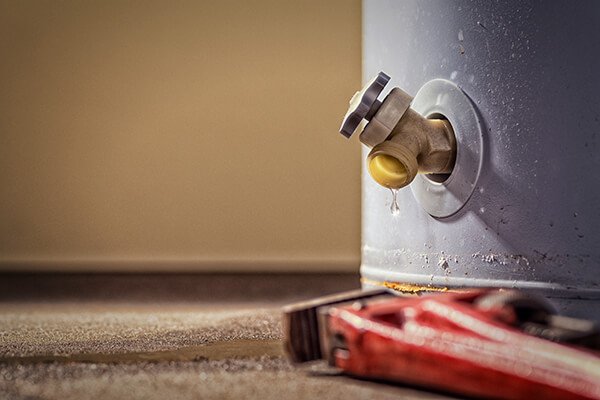
- Water collecting around the base of the tank
- Rust or corrosion on the tank or connections
- Rumbling, popping, or other new noises
- Hot water that runs out sooner than it used to
- Water that never gets as hot as expected
- Cloudy or discolored hot water
- Unexpected changes in hot-water pressure
- An older system that has begun needing repeated repairs
If you see active leaking, do not put it off. Even a small water heater leak can become a much larger plumbing and water-damage problem.
A Fall Inspection Gives You Time to Make a Decision
One of the biggest benefits of checking the water heater in fall is simply having time.
If a plumber finds a minor issue, you may be able to repair it before it develops into a breakdown. If the unit is getting older or has significant corrosion, you have time to compare options instead of choosing a replacement while everyone in the house is waiting for hot water.
Gunthers provides water heater repair for both traditional and newer water-heating systems. Our goal is to explain what we find and help you understand whether repair makes sense or whether the equipment is reaching the point where replacement should be considered.
How Old Is Your Water Heater?
Age alone does not tell you whether a water heater needs to be replaced. Maintenance history, water quality, installation, household demand, and the type of system all affect service life.
Still, age becomes more important when it is combined with other problems.
If an older tank is starting to leak, producing inconsistent hot water, making new noises, or requiring repeated repairs, it may be worth discussing water heater replacement.
On the other hand, an older water heater that is still performing reliably may simply need appropriate maintenance and monitoring.
The important thing is not to replace equipment just because it reached a particular birthday. Look at what the system is actually doing.
Do Not Ignore New Noises
Water heaters are not completely silent, but you probably know what yours normally sounds like.
Popping, banging, or rumbling from a storage tank can sometimes be associated with sediment buildup. As the heating process occurs beneath that layer of minerals, trapped water and steam can create noticeable noises.
A new sound does not automatically mean the tank is about to fail. It is simply a reason to have someone look at the equipment and determine what is happening.
The same idea applies to tankless systems. Changes in performance, error codes, or unfamiliar operating sounds deserve attention rather than repeated resets without knowing the cause.
Check the Area Around the Water Heater Too
The condition of the appliance matters, but so does the space around it.
Keep storage away from the water heater so a plumber can safely access the equipment and so you can easily spot signs of leaking. If the unit is in a basement, utility room, or garage, take a quick look at nearby pipes and connections too.
Fall is a convenient time to do this because you may already be moving seasonal storage, getting the furnace ready, or preparing other parts of the house for winter.
It only takes a minute to notice a damp floor or corroded connection that was hidden behind a box all summer.
What About Tankless Water Heaters?
Tankless systems do not store a large tank of hot water, but they still need attention.
Mineral scale can collect inside the heat exchanger, particularly in areas with hard water. Manufacturers may recommend periodic flushing or descaling depending on the equipment and water conditions.
If you have a tankless system and are not sure when it was last serviced, fall is a good time to check the owner’s manual or schedule an inspection.
That way, the system is ready before holiday guests and cold-weather routines increase demand.
Why Not Just Wait Until Something Breaks?
You can, but a water heater failure rarely happens at a convenient time.
No hot water before work or school is frustrating enough. A leaking tank can be much worse, especially if the equipment is located near finished flooring, stored belongings, or living space.
Preventive attention does not mean every problem can be predicted. It does mean you have a better chance of finding visible wear, leaks, scale-related issues, or declining performance while the water heater is still working.
Get Your Water Heater Ready for a Utah Winter
Fall is already a transition season around American Fork and Utah County. You are checking the furnace, putting away summer equipment, and getting ready for colder mornings. Your water heater deserves a spot on that list too.
Pay attention to changes in hot-water supply, listen for new noises, look for leaks, and think about how long it has been since the equipment was professionally inspected.
Gunthers Heating, Cooling, Plumbing and Electrical has served local families since 1910, and our plumbing team works with traditional, tankless, and other water-heating systems throughout the area.
If your water heater has been making noise, producing less hot water, leaking, or simply has not been inspected in a while, contact Gunthers to schedule water heater service before winter demand picks up.