With the kids back at school and the summer heat finally dissipating, now is the time to start making sure that your furnace is ready for the oncoming winter. With average daily lows in many parts of Utah being below freezing throughout the winter, it’s crucial that your furnace is fully up to the task of keeping your house warm.
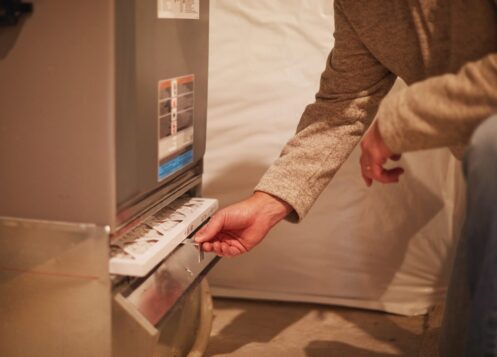
The best way to make sure this is the case is to schedule an annual furnace tune-up every fall, ideally before you need to turn your furnace on. In this article, we’ll provide an overview of what a furnace tune-up entails and all of the benefits this service can provide.
Lower Heating Costs
While furnaces are the most effective heating option in our area, they can develop a variety of issues that reduce their effectiveness and lead to an increase in daily energy consumption. This can include things like a clogged blower that reduces the amount of air coming into the furnace and doesn’t effectively circulate the heated air around the house.
Another issue you can encounter without annual maintenance is dirty burners. Dirty burners can cause incomplete combustion and poor heat transfer, reducing furnace efficiency and performance. Annual tune-ups help prevent these problems, as one part of the service involves the technician cleaning the burners and the squirrel cage that surrounds the blower.
Effective Furnace Performance All Winter Long
Modern furnaces are far more complex than most people realize and have numerous components that all need to work properly for them to turn on and complete a full heating cycle. If a component like the electronic igniter, flame sensor, pressure switch or draft inducer fan wears out or malfunctions, it will prevent the furnace from turning on. If the flame sensor is dirty, it can also lead to the furnace occasionally not turning on or shutting down partway through a heating cycle.
Having your furnace suddenly give out is a serious concern in our area, as prolonged cold during freezing weather can put your home at risk of frozen and burst pipes. Annual tune-ups reduce the risk of sudden breakdowns, as the technician will inspect and test all of the essential components and fully clean the flame sensor. While there’s always a chance that one of the components could still fail at some point over the winter, the chances of this happening are far greater if you don’t have your furnace inspected and serviced at the start of the season.
Fewer Potential Safety Hazards
The two biggest safety concerns with a gas furnace are carbon monoxide exposure and, more rarely, overheating or electrical faults that could pose a fire hazard. Modern furnaces have several important safety features that are designed to minimize these risks. For instance, the temperature limit switch will automatically shut down the furnace if it senses that the heat exchanger has started to overheat.
Most newer furnaces also have a flame rollout sensor that will cause a shutdown if the flames escape the combustion chamber. Like all other components, there’s always a chance of these safety switches and sensors malfunctioning or failing. That’s why it’s important that you have them tested every year.
Carbon monoxide is a potential byproduct when natural gas combusts and doesn’t burn cleanly. With a furnace, this can happen as a result of the burner flames not receiving sufficient oxygen or the burners being overly dirty and clogged with soot. Under normal conditions, the draft inducer draws all of the hot combustion fumes up through the furnace’s heat exchanger and ensures that they get vented directly outside through the exhaust flue.
If the exhaust flue is blocked off or damaged, the fumes can back up and start seeping out into the surrounding area. An even bigger concern is if the heat exchanger is cracked or has any spots that have rusted through, as this results in the fumes mixing with the hot air and getting blown throughout the house.
When servicing a furnace, the technician will test for carbon monoxide, make sure that the furnace is properly vented and inspect the heat exchanger for rust, cracks, etc. While all of these steps reduce the chances of carbon monoxide exposure, it’s still important to have carbon monoxide alarms throughout your house just to be safe.
Ensuring the Warranty Remains Valid
Most new furnaces have either a 5- or 10-year warranty that covers most of the components and a separate warranty that covers the heat exchanger. If any issues arise because of a defective component during the warranty period, the manufacturer will provide the necessary replacement part at no cost.
You’ll still have to pay the labor costs to have a technician replace the component, but you’ll still save money compared to if you had to pay the full costs yourself. If your furnace has a defective heat exchanger that cracks, the warranty can save you well over $500 to $1,000.
The most important thing to note about furnace warranties is that they only cover issues that arise due to a defective component and not any problems that result from neglect and a lack of maintenance. Experienced professionals can usually tell quite easily if the problem occurred because the furnace wasn’t properly maintained.
When filing a warranty claim, the manufacturer will also often require you to provide proof of annual maintenance in order for them to approve the claim. This is yet another reason why annual tune-ups are essential, as they ensure the warranty remains valid so that you’ll save money in case your furnace does have any defective components that cause a problem down the road.
Longer Life Expectancy
You can usually expect to get around 15 to 20 years of life out of a new furnace if you keep it maintained and replace the air filter regularly. A poorly maintained furnace that doesn’t heat effectively and has to do more work can potentially end up failing in half that amount of time. Annual furnace maintenance is especially important for protecting the heat exchanger, as it helps protect against issues like metal fatigue, corrosion, or cracks that can develop from repeated overheating or moisture buildup.
While a technician can replace a damaged heat exchanger, it’s something that’s rarely done except for when it’s covered under warranty. Not only are replacement heat exchangers quite costly, but the process of removing the old exchanger and installing the new one usually takes at least four to eight hours. In many cases, replacing a heat exchanger can approach the cost of installing a brand-new furnace, which is why full replacement is often the more practical option.
Get Reliable Furnace Help
At Gunthers Heating, Cooling, Plumbing and Electrical, our expert team has all of your furnace needs covered. We’ve been serving residential and commercial customers in American Fork and the surrounding areas since 1910 and will work to ensure your furnace remains in good condition and heats effectively. Our technicians can service all types of systems from every manufacturer, and we’re available 24/7 to handle any emergencies. To schedule a tune-up and ensure your furnace is ready for winter, contact us today.