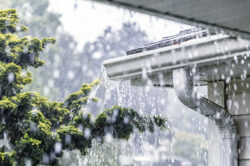
 Utah summers bring strong thunderstorms and a surprising amount of rain in a short period. After a heavy downpour, you may notice slow drains, gurgling sounds, water around a basement floor drain, or signs of a sewer backup.
The storm itself is not always the direct cause. Heavy rain can make an existing blockage, damaged sewer line, or hidden plumbing issue much more noticeable. Knowing what to watch for can help you catch trouble before it becomes a larger problem.
Can Heavy Rain Cause Plumbing Problems?
Yes, heavy rain can contribute to plumbing and drainage problems, especially when a sewer line is already damaged, blocked, or vulnerable to excess water entering the system. Municipal sewer systems may also experience added pressure during periods of intense rainfall.
If several fixtures start behaving differently after a storm, pay attention. Multiple slow drains, gurgling toilets, sewage odors, or water backing up through a low-level drain can point to a problem deeper in the drainage system.
Common warning signs include:
- Gurgling sounds from sinks, tubs, or toilets
- Several slow drains at the same time
- Sewage or unpleasant odors
- Water backing up through a basement floor drain
- A toilet bubbling when another fixture drains
These symptoms should not automatically be blamed on the weather. A plumber can determine whether the storm has exposed a clog, sewer line problem, or another issue that needs repair.
Why Are My Drains Gurgling or Backing Up After Heavy Rain?
Gurgling drains after heavy rain usually mean air or water is not moving normally through the drainage system. A blockage, venting issue, or problem with the main sewer line may be interfering with normal flow.
One noisy sink may not indicate a major issue. However, if several drains begin gurgling or slowing down at once, especially alongside sewage odors or backups, it is worth having the system checked.
Basement floor drains deserve particular attention because they are often among the lowest openings in the drainage system. If dirty or foul-smelling water begins coming up through a floor drain, stop using unnecessary plumbing until the problem can be evaluated.
Professional drain cleaning can address stubborn blockages and help determine whether the issue is limited to one drain or extends farther into the plumbing system.
Can Heavy Rain Expose Sewer Line Problems?
Yes, heavy rain can make an existing sewer line problem more noticeable. Tree roots, buildup, cracks, deterioration, and shifting soil can restrict wastewater flow long before symptoms become obvious inside the home.
Rain does not automatically damage a healthy sewer pipe. However, saturated ground and excess water may worsen symptoms when a line already has weak points or damage.
Recurring backups, sewage odors, frequent clogs, and several slow drains are all reasons to have the line evaluated. Gunthers provides sewer line service for homeowners dealing with blockages and other sewer concerns.
What Water Problems Should You Watch for After a Storm?
After a summer storm, check basements, utility rooms, kitchens, bathrooms, and areas with exposed plumbing for unexpected moisture.
Not every wet spot is caused by plumbing. Rainwater can enter through foundation cracks, windows, or other exterior openings. However, damp drywall away from an obvious exterior leak, water under a sink, warped flooring, or moisture around pipes may point to a plumbing problem.
If moisture remains after the weather has cleared or you cannot identify the source, professional leak detection can help locate hidden plumbing leaks behind walls, beneath flooring, or in other hard-to-reach areas.
Can Saturated Soil Affect Underground Pipes?
Saturated soil can place additional stress on older, damaged, or poorly supported underground pipes. Utah’s dry stretches followed by sudden summer storms can change the moisture conditions surrounding buried water and sewer lines.
Signs of an underground plumbing problem may include unusually soggy areas in the yard, recurring backups, reduced water pressure, unexplained water use, or patches of grass that stay noticeably greener than surrounding areas.
If a damaged line is found, pipe repair or replacement may be needed depending on its condition.
What Should You Check After a Utah Summer Storm?
Once the storm has passed and conditions are safe, a quick walkthrough can help you spot plumbing problems early.
- Check basement and floor drains for unexpected water.
- Watch how quickly sinks, showers, and tubs drain.
- Flush toilets and listen for bubbling or gurgling.
- Look beneath sinks and around visible pipes for moisture.
- Check the yard for unusually soggy areas.
Continue paying attention over the next day or two. A major backup may be obvious immediately, while a slow drain, recurring odor, or hidden leak may take longer to appear.
When Is a Post-Storm Plumbing Problem an Emergency?
A plumbing problem is more urgent when sewage or uncontrolled water is entering your home, several drains stop working at once, or a pipe appears to have broken.
Call for plumbing help promptly if you notice:
- Sewage backing up into sinks, tubs, toilets, or floor drains
- Multiple drains suddenly clogging or slowing down
- A major or rapidly spreading leak
- A suspected broken water or sewer line
- Water near electrical equipment or wiring
If a supply pipe is actively leaking and you can safely reach the main water shutoff, turning off the water may help limit additional damage until a plumber arrives.
How Can You Reduce the Risk Before the Next Storm?
You cannot prevent Utah thunderstorms, but you can address plumbing warning signs before severe weather makes them more disruptive.
Do not ignore drains that repeatedly run slowly, recurring sewer odors, frequent backups, or known leaks. Have those problems evaluated instead of waiting for a complete blockage or major water issue.
It also helps to know where your home’s main water shutoff is located and to keep accessible drainage areas clear of debris.
Need Plumbing Help After a Utah Summer Storm?
Summer storms can reveal plumbing problems that were easy to miss during dry weather. Whether you are dealing with gurgling drains, a sewer backup, a hidden leak, or concerns about an underground pipe, finding the cause is the first step toward the right repair.
Gunthers Heating, Cooling, Plumbing and Electrical provides comprehensive plumbing services in American Fork and surrounding Utah communities. If your plumbing starts behaving differently after heavy rain, contact Gunthers to have the problem evaluated before it turns into a larger disruption.

Frequently Asked Questions About Summer Storm Plumbing Problems
Can heavy rain cause a sewer backup?
Heavy rain can contribute to a sewer backup when a line is already blocked, damaged, or allowing excess water into the system. Backups affecting multiple fixtures or a basement floor drain should be evaluated by a plumber.
Should I worry about gurgling drains after heavy rain?
Repeated gurgling from several drains can indicate a blockage or sewer issue, especially when it occurs with slow drainage, sewage odors, or backups.
When should I call a plumber after a Utah storm?
Call a plumber if you notice sewage backup, several slow or clogged drains, water coming up through a floor drain, a major leak, or symptoms that continue after the storm has passed.