Preparing your furnace before turning it on for the season is an important step for both safety and performance. A little preparation can help prevent unexpected breakdowns, reduce energy waste, and lower the risk of serious hazards. Below are key steps homeowners should take before starting their furnace for the first time, along with an explanation of why scheduling a professional inspection and tune-up matters.
Replace the Air Filter
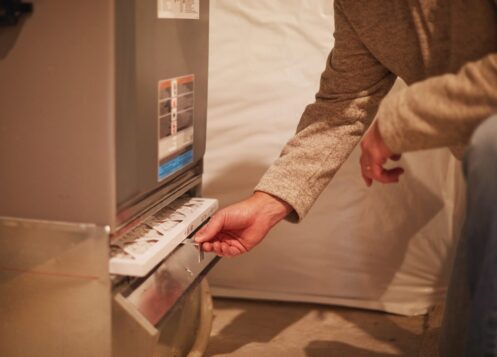
One of the first tasks experts recommend is replacing the furnace air filter. Unless the filter was replaced in late summer or early fall, it is likely dirty from extended use. Even homes without central air conditioning should not reuse the same filter from the previous heating season. A clean filter allows proper airflow and helps your furnace heat more efficiently.
A clogged filter can restrict airflow, causing the furnace to overheat. Modern furnaces include a temperature limit switch designed to shut the system down if it gets too hot. While this safety feature reduces risk, repeated overheating can still damage internal components. Restricted airflow also forces the system to work harder, increasing wear and energy use.
One of the more serious risks associated with repeated overheating is damage to the heat exchanger. The heat exchanger expands when heated and contracts as it cools. Under normal conditions, this process does not cause problems. However, excessive overheating can weaken metal joints over time, increasing the risk of cracks. A cracked heat exchanger can allow carbon monoxide to mix with indoor air, making the furnace unsafe to operate and often requiring full system replacement.
Clear Away Any Clutter
While changing the filter, take time to clear the area around your furnace. Combustible materials such as paint thinner, gasoline containers, oily rags, and cleaning solvents should never be stored near heating equipment. Even common items like cardboard boxes, paper, plastic, and clothing should be kept several feet away.
Clear space around the furnace also supports proper combustion. Many furnaces draw air from the surrounding area to support clean and efficient burning. Blocked airflow can cause incomplete combustion, reduced heat output, and in rare cases flame rollout, where flames extend beyond the combustion chamber. Poor airflow can also contribute to increased carbon monoxide production.
Check All of the Vents
Before turning the furnace on, walk through your home and make sure all supply and return vents are open and unobstructed. Furniture, rugs, and dust buildup can block airflow and reduce system performance.
Closing too many vents disrupts airflow balance. When heated air cannot circulate properly, pressure builds inside the ductwork, making it harder for the blower to move air. This leads to uneven heating, reduced efficiency, and in some cases overheating that causes the furnace to shut off mid-cycle.
Schedule a Professional Inspection and Tune-Up
The most important step in preparing your furnace for winter is scheduling a professional inspection and tune-up. A certified technician can check for safety concerns such as heat exchanger damage, blocked exhaust flues, faulty sensors, or gas supply issues. These inspections help reduce the risk of carbon monoxide exposure and fire hazards.
Routine maintenance also improves efficiency and reliability. Cleaning burners, flame sensors, and blower components allows the furnace to operate as designed. Annual tune-ups often lead to lower heating costs, fewer emergency repairs, and longer equipment lifespan. With proper maintenance, many furnaces can last 15 to 20 years, even in colder climates. Without regular service, premature failure is far more likely.
At Gunthers Heating, Cooling, Plumbing and Electrical, our family-owned and operated business has served homeowners and businesses in American Fork and surrounding areas since 1910. Our certified technicians specialize in heating maintenance and service all furnace makes and models. If problems arise during winter, we also provide dependable heating repair. As members of the Rocky Mountain Gas Association, our technicians receive ongoing training to ensure safe, high-quality service. Contact Gunthers Heating, Cooling, Plumbing and Electrical today to schedule your furnace inspection or tune-up.