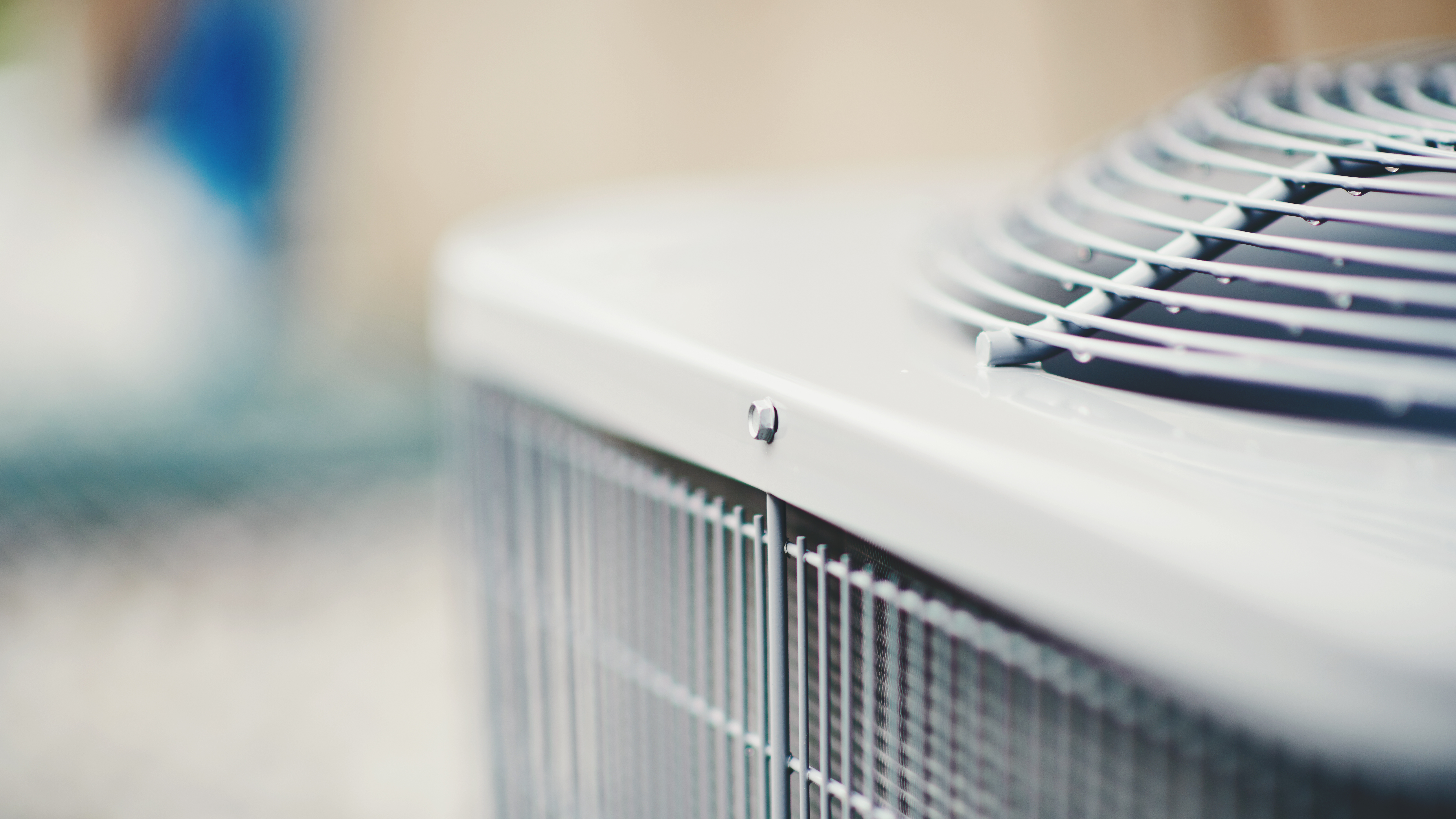
Many homeowners wait far too long to replace an aging HVAC system. Older units are usually much less efficient than today’s models, and they often struggle to keep up with modern comfort expectations. Holding onto an outdated system increases the chances of a sudden breakdown, expensive emergency repairs, and higher energy bills. Upgrading your HVAC system in the new year can reduce stress, improve comfort, and help you save money in the long run.
Lower Energy Bills
HVAC technology continues to advance, allowing manufacturers to build equipment that operates more efficiently and more reliably. Features like variable-speed motors, variable refrigerant flow technology, and modulating gas valves are now common. These components help the system adjust its output to match the exact heating or cooling needs of your home.
Modern air conditioners and heat pumps also use updated refrigerants and more efficient compressor technology. Combined with compatibility with smart thermostats, today’s systems can deliver much lower energy consumption compared to units that are 10 years old or older. In fact, even a decade-old system may no longer perform anywhere near its original efficiency rating.
Upgrading to a high-efficiency system can noticeably lower your monthly energy bills and reduce your carbon footprint. If your utility company offers rebates or incentives for installing high-efficiency equipment, those savings can help offset the upfront cost and speed up the system’s return on investment.
More Consistent Room-to-Room Comfort
Older HVAC systems often struggle with airflow and temperature consistency. A worn-out blower motor or aging components may cause some rooms to stay too warm while others remain too cold. This uneven heating or cooling can be frustrating and difficult to fix with an outdated system.
New HVAC systems offer better airflow and more precise temperature control. Choosing a two-stage or variable-speed system provides the best performance. Unlike single-stage systems that only run at full power, two-stage systems mainly operate at a middle setting, allowing them to stay on longer and evenly heat or cool the entire home. Variable-speed systems run almost continuously at low levels, maintaining steady comfort without large temperature swings. They also use less energy and operate much more quietly.
Reduced Need for Repairs
As HVAC systems age, repairs become more frequent and often more expensive. Breakdowns can be stressful, especially during extreme weather, and ongoing repair costs can quickly add up. When you upgrade your system and have it installed by a qualified professional, you can expect reliable performance with minimal repairs for many years. New equipment also comes with manufacturer warranties that typically cover major components for five to ten years, offering added peace of mind.
Zoning Capabilities
Many modern HVAC systems can be paired with zoning controls, which older single-stage systems often cannot support. Zoning divides your home into separate areas that can each be set to their own temperature. Every zone has its own thermostat, giving you more control and helping eliminate hot or cold spots altogether.
Zoning also helps reduce energy use because the system only conditions the areas that actually need it. Variable-speed equipment works especially well with zoning, since the system can run at lower speeds and only ramp up when all zones are calling for heating or cooling.
Signs It’s Time for an Upgrade
You can avoid emergency breakdowns and high energy bills by upgrading your system before it fails. Common signs that it may be time for replacement include:
- System age between 15 and 20 years
- Rising heating and cooling costs
- Longer operating cycles
- Difficulty maintaining the set temperature
- Frequent repairs
- Loud or unusual system noises
Factors to Consider When Upgrading Your HVAC System
Choosing the right HVAC system involves several factors. For Utah’s climate, a dual-fuel system (a gas furnace paired with a heat pump) is often an excellent choice. The heat pump provides efficient cooling in summer and handles most of the heating workload in milder winter temperatures. The furnace then takes over when temperatures drop too low for the heat pump to operate efficiently. This combination delivers strong comfort and long-term savings.
Ductless mini-split heat pump systems are another strong option, especially for homes without ductwork or for adding comfort to specific rooms. Mini-splits offer built-in zoning since each indoor unit can be controlled independently, and they typically operate more efficiently than traditional central systems.
Proper system sizing is also critical. An undersized unit will struggle to keep up, while an oversized unit will cycle on and off too frequently, leading to inefficient performance and a shorter lifespan. A professional load calculation ensures your system is sized correctly based on your home’s unique heating and cooling needs.
Call Us Today
Since 1910, Gunthers Heating, Cooling, and Plumbing has been the trusted choice for heating and cooling in American Fork. As a Lennox Premier Dealer, we offer top-quality HVAC systems backed by excellent warranties. If you’re considering an upgrade, our team will walk you through your options, help you choose the right system for your home and budget, and provide convenient financing options on approved credit. Contact us today to schedule your consultation and in-home evaluation.